

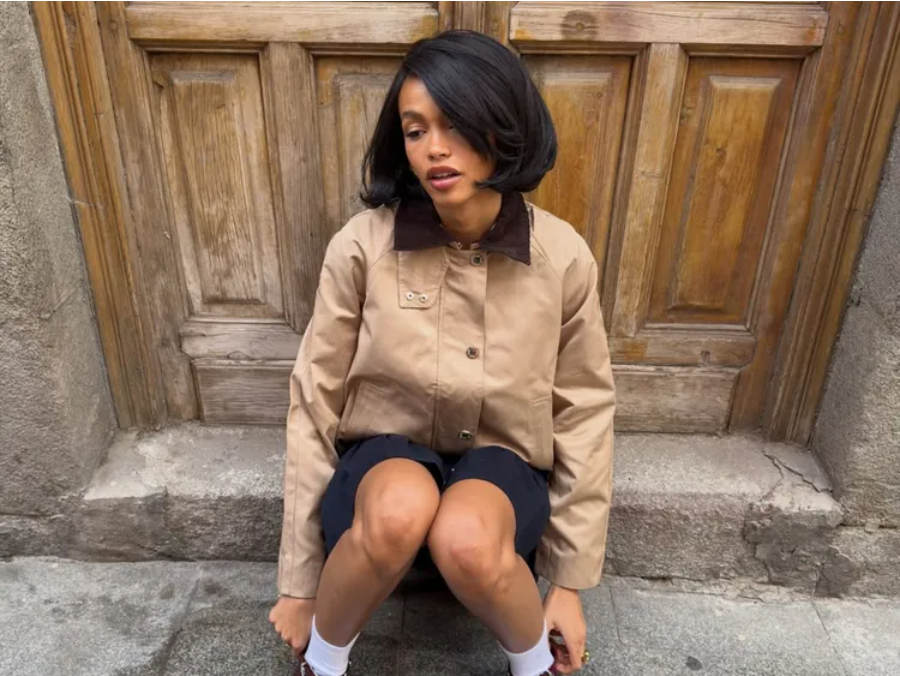
In the winter of 2026, conversations in hair salons changed. Customers walked in no longer simply saying “cut it shorter,” but began describing a dynamic—the feeling of the ends of the hair gently lifting, like a breeze blowing across the cheeks. The stylist understood, nodded, and said it was the season for the “Butterfly Bob.”
The name itself is poetic, yet precise. It’s not the clean, sharp cut of a traditional bob, nor the wildness of the recent wolf cut or layered long hair. The Butterfly Bob is more of a compromise: the length stops between the chin and collarbone, retaining the structure of a bob, but using extremely fine layers and contouring around the face to create a light, floating feel. The ends aren’t heavy, but rather “thinned,” like the edges of butterfly wings, so thin they’re almost translucent.
From the Runway to the Streets
The popularity of this hairstyle was no accident. On the Spring/Summer 2026 runways, from Giorgio Armani to Zimmermann, the models’ hair was doing the same thing: presenting movement within a still image. Designers seemed to have reached a tacit agreement—the more minimalist the clothing, the more expressive the hair needed to be. The butterfly bob perfectly filled this gap: it didn’t steal the show, but with each step or turn of the head, the layers swayed naturally, like a silent accompaniment.
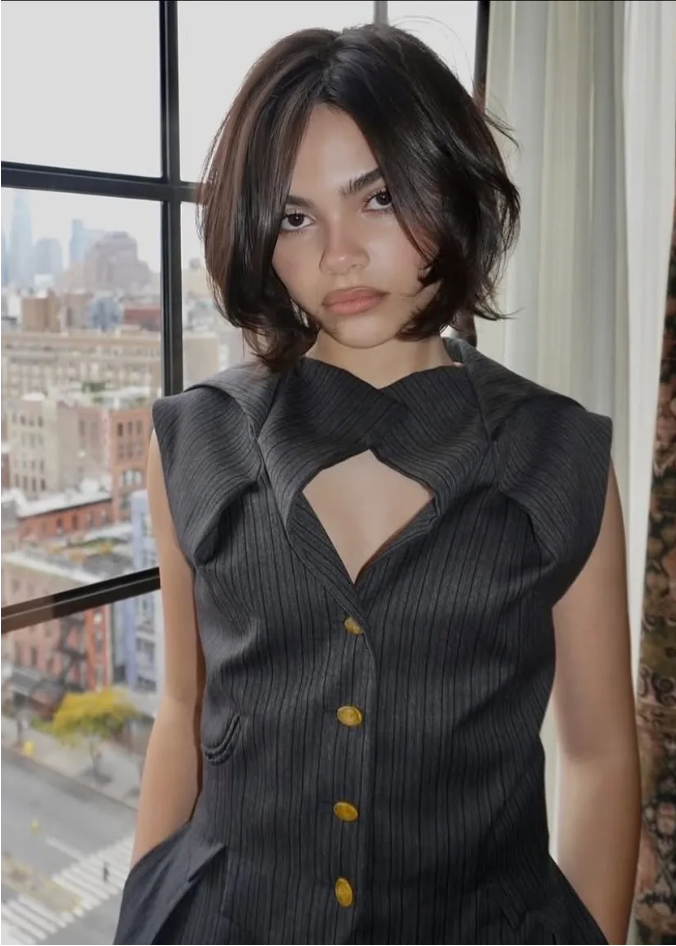
The involvement of celebrities accelerated the spread of this trend. Sabrina Carpenter, Hailey Bieber, and Suki Waterhouse all sported similar lengths in recent months. Their interpretations differed—some retained more waves, others were almost straight—but the common thread was that “effortless flow.” This is important. The core of the 2026 aesthetic seems to be this “deliberate nonchalance”: you look like you haven’t spent much time styling it, but every strand is exactly where it’s supposed to be.
Technical Aspects: How to Make Hair “Fly”
To achieve this effect, the key word for stylists is “following the natural flow.” It’s not about cutting the hair into the shape the stylist wants, but rather creating decorative layers around the face, following each person’s natural hair flow and growth direction. The lines must be seamless—from the top of the head to the ends, there should be no obvious breaks, only a gradual lightness.
This hairstyle is surprisingly forgiving of different hair types. Those with curly or coarse hair actually have an advantage: the natural volume makes the layers easier to see, and the ends will naturally “flip” into a beautiful curve. Fine hair requires a little more assistance—creating support at the roots during blow-drying, or using a larger curling iron to create soft curls. But regardless of hair type, the common principle is to avoid heaviness. The ends must be thin to create that “flying” illusion.
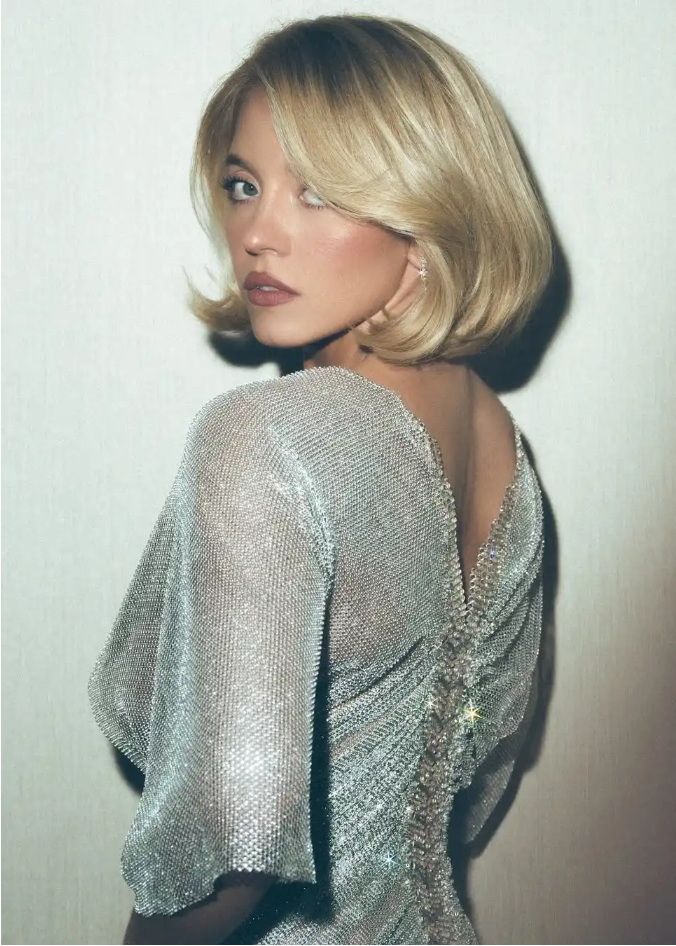
Maintenance: A Gentle Negotiation with Time
The destiny of all bobs is growth. The butterfly bob is no exception. When the length reaches the chin, it needs trimming every six to eight weeks to maintain the proportions around the face; if it reaches the collarbone, it can last eight to ten weeks. This frequency is a burden for some, but a perfect ritual for others—regularly visiting the salon to have the stylist readjust the gradually lengthening lines, like regularly tending a small garden.
Daily styling is relatively forgiving. Stylists recommend “loose” and “shine.” Don’t strive for perfect straightness; instead, retain a touch of natural messiness. Use a large curling iron to create soft waves, or spray a little volumizing spray at the roots to maintain that “just-blown-by” look. The only thing to avoid is hairspray—this hairstyle needs movement, and anything that stiffens it will do the opposite.
Why Now
The emergence of the butterfly bob can perhaps be observed within a larger historical context. From late 2025 to early 2026, hairstyle trends underwent a significant shift: from extreme layering (wolf cuts, butterfly haircuts) and extreme shortness (boyish bobs, pixie cuts), gradually converging towards a middle ground. People seemed tired of “too much”—too many layers, too many styles, too much maintenance. The butterfly bob offered just the right amount of presence without overwhelming life.
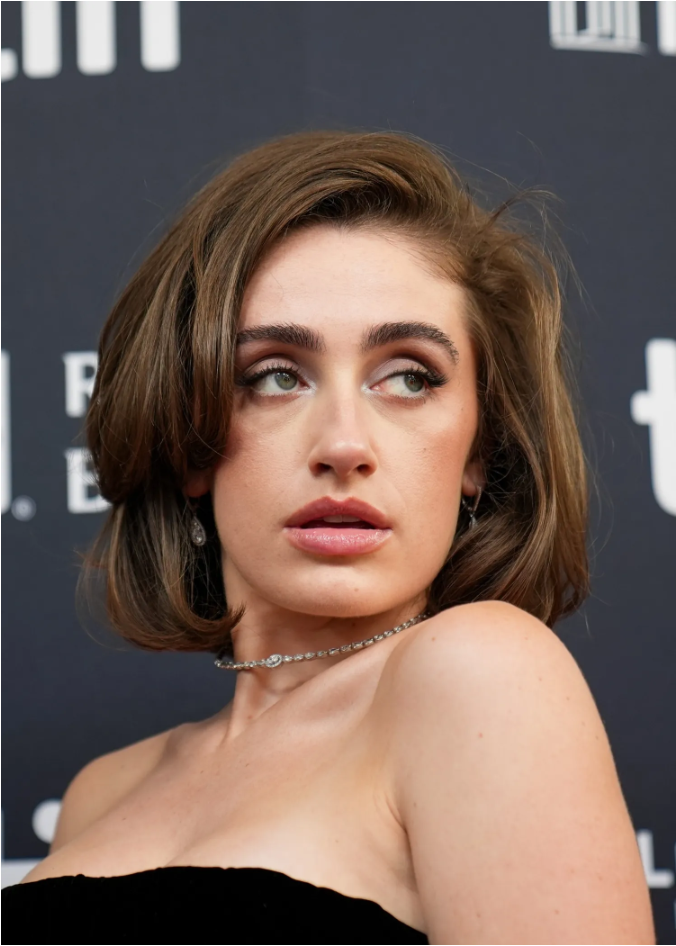
It also echoed a certain mood in the overall fashion of 2026: sophisticated yet relaxed, structured yet not rigid. Like the season’s clothing silhouettes—loose suits, soft knits—hair was also seeking the same balance. It wasn’t about dressing to please others, but about looking “right” in the mirror.
In the winter of 2026, if you walk into a hair salon and hear someone describe a “flying short haircut,” don’t be surprised. It’s just yet another proof that hairstyle trends are never just about length or layers, but about capturing a certain atmosphere. What Butterfly Bob captures is perhaps this era’s yearning for “lightness”—to at least allow hair to move freely amidst the heavy news and hectic daily routines.