

I. The Bottle as a Metaphor
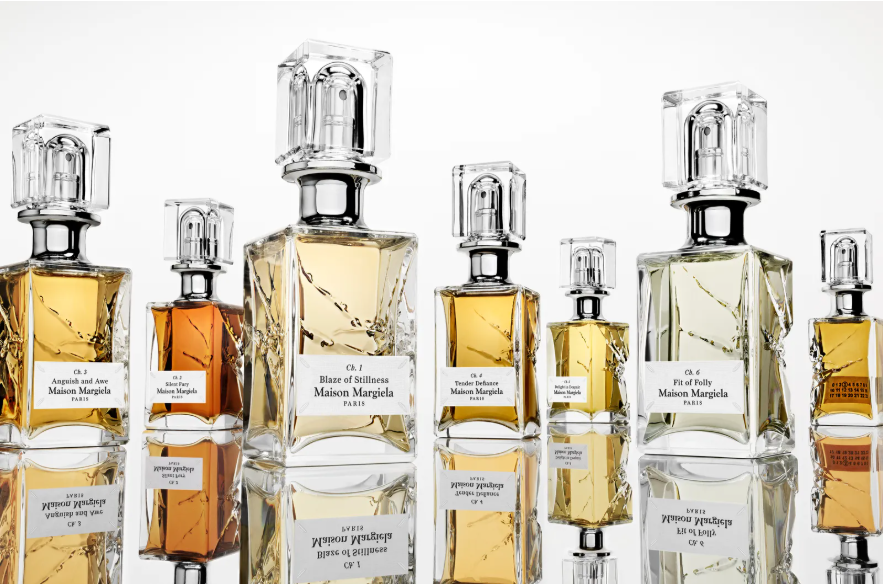
I first saw that bottle at the counter at three in the afternoon. The light cut across it at an angle, revealing a crack on the glass surface—not a flaw, but a design element. The inspiration, it’s said, came from early 20th-century decanters, those objects found in old-fashioned European salons, holding amber-colored liquid, shimmering in candlelight. Now, it doesn’t hold wine, but aroma, a certain ineffable emotion.
Maison Margiela has always been adept at this trick of turning “imperfection” into “aesthetics.” The frayed edges on clothing, the deconstructed cuts, the deliberately exposed linings—they never conceal the traces of production; instead, they make the traces themselves decoration. This bottle design continues the same logic: a crack runs across the side of the glass, like a broken mirror, like an irreparable gap in life. You think perfection is the ultimate pursuit of haute couture, but they insist on telling you that imperfection is.
The concentration is pulled up to 25% to 30%, fragrance grade. What does this mean? It means the scent will cling to your skin, seep into the fibers of your clothes, and linger even after you shower. It’s not the kind of polite perfume that dissipates after three hours; this is something you’ll wear overnight.
II. Six Emotions, Six Ways of Living
This series is called “Scentsorium,” six fragrances, six chapters, from hope to absurdity, like a film without dialogue, where the plot unfolds entirely through scent.
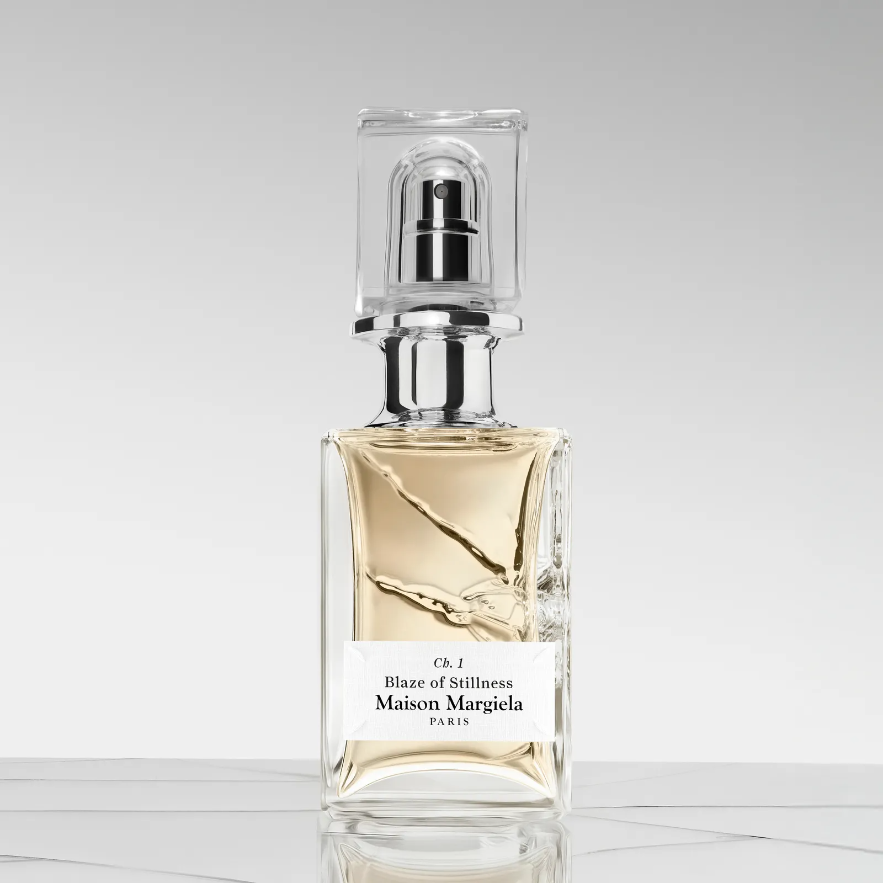
Chapter One: Blaze of Stillness
When asked as a child, “What do you want to be when you grow up?” the answer was always straightforward—astronaut, dancer, painter. That uncalculated purity is lost as we grow up. This fragrance speaks of that still-burning fire, only now it’s a smoldering flame.
The opening is Moroccan orange blossom, a whole bunch hand-picked, with a clean, almost fragile scent reminiscent of baby skincare products. Fig follows, unripe, milky, and hazy, half-awake. In the base notes, benzoin and sandalwood weave a suede-like texture, like a blanket you hugged as a child, like a protective illusion.
It’s quiet, but not extinguished. This is probably what’s called “silent flame”—the fire is still there, just silent.
Chapter Two: Silent Fury
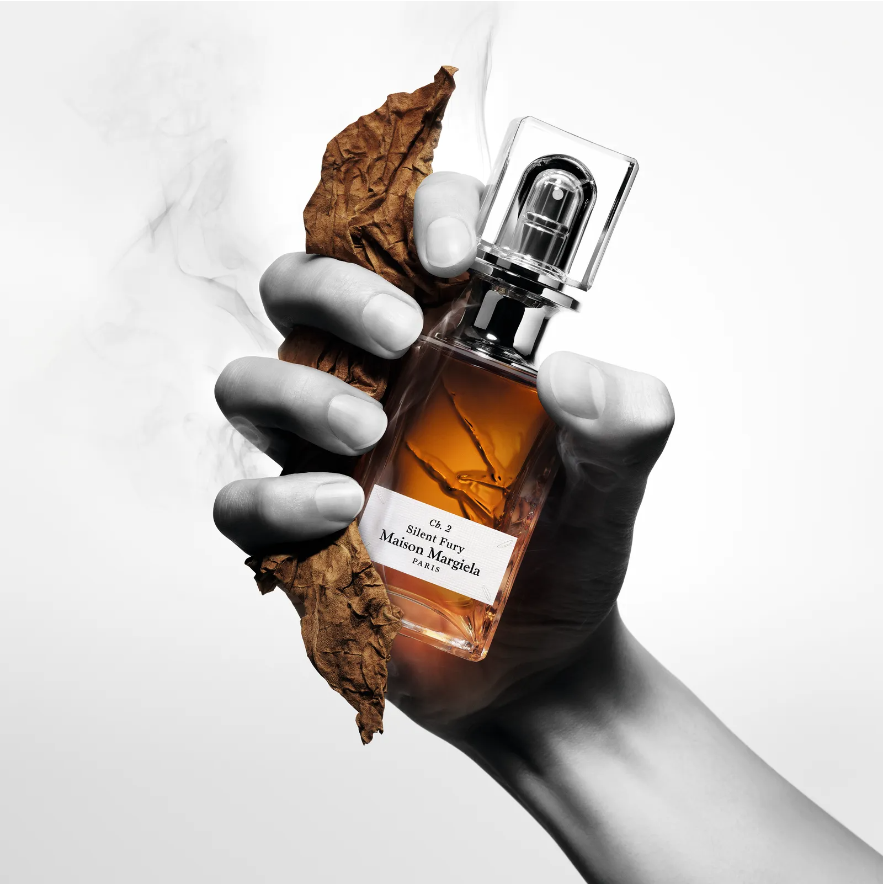
Anger is something we learn to suppress as we grow up. The world teaches you maturity, dignity, and how to swallow your emotions. This fragrance is about that feeling of “burning in your stomach after swallowing.”
Tobacco is the main theme, strong, pungent, with a tension about to explode. The most wonderful part is the contrast between the two cardamom buds: cardamom is cool, almost cold; nutmeg is hot, spicy and burning. The contrast of hot and cold pulls on the skin, like that moment when you want to explode but force yourself to calm down. A high proportion of patchouli forms the base notes, rich and slightly burning, like fire flowing in your blood.
It doesn’t roar, it smolders.
Chapter Three: Anguish and Awe
Rose is something every brand makes, it’s been overdone. But Margiela’s rose isn’t a garden rose; it’s a thorny, bloody rose, a rose that fades from bud to wither in an instant.
The top notes are geranium to simulate the green stems and leaves of a bud, then the Turkish Damask rose explodes—extracted using fractional distillation, extremely sharp, bright red like blood. Finally, black leather finishes, like thorns, like wounds, like that obsessive “knowing it will hurt, yet still touching it.”
This isn’t a cloyingly sweet love scent; it’s something that will remind you of a certain late night, a certain name, something you “shouldn’t have started.”
Chapter Four: Tender Defiance
A work by Dominique Ropion. This perfumer, renowned for their floral scents, has suddenly shifted to woody and smoky notes, like a usually gentle person suddenly smashing a glass.
The opening is licorice, fennel, and star anise—the scent of a traditional Chinese medicine shop, with a touch of dark, sweet herbalness, transporting you back to an age when you didn’t know what fear was. Then, the woody notes of fir emerge, a moist, green hue, like new wood breaking through the soil, like the beginning of some kind of rebirth. Incense forms the base notes, not the solemn incense of a temple, but more like the warmth of “someone watching over you.”
It speaks of that moment when you “take a deep breath and decide to keep going.”
Chapter Five: Delight in Despair
The most terrifying thing about happiness isn’t its fleeting nature, but the sudden fear you feel in your happiest moments—fear of loss, fear that it’s all fake, fear that it will be gone when you wake up tomorrow.
The saffron opens, from Taliwyn, Morocco, shedding its usual metallic sharpness and adding a soft, milky feel. The joy is intimate, subtle. But five minutes later, oud and cedar begin to erode that sweetness, transforming into a slightly melancholic woody scent. Finally, lingering traces of musk and saffron remain, like a natural body odor, like a helpless confession of “seizing the moment.”
It is joyful, but within that joy lies a death knell.
Chapter Six: Fit of Folly
The final chapter of the series, the concentration pushed to 30%, the highest. The theme is “abandoning rationality”—that moment of “To hell with it, I’m done.”
Patchouli undergoes multiple processing steps, shedding its earthy edges to become a minerally sharp amber-woody scent. Musk rises vertically, carrying the intimacy of a natural body odor, yet also the detached air of a scholarly fragrance. The perfumer says it’s like “writing a letter to your future self, then smilingly burning it.” When I smelled it, I thought of a time at four in the morning when you suddenly decide not to be the person you “should be.”
It’s crazy, but its madness is serene.
III. Scent as Memory
Maison Margiela has been working on “replicating memories through scent” since the REPLICA collection in 1994. But back then, they replicated scenes—beach, library, flower market—external, objective. This haute couture collection turns inward, replicating emotions, those things considered “undignified”: repressed anger, thorny desires, fear within pleasure, moments of rational collapse.
People of this era have begun to appreciate incompleteness, vulnerability, and imperfection. Social media is full of meticulously edited photos, yet in reality, everyone carries wounds. Margiela seals these fragmented beauties in bottles, allowing you to spray them on and take them with you.
Six fragrances, six emotions, no order, no right answer. You can wear Serenity to a meeting today, Absurdity to a date tomorrow, and let Serenity keep you company during your insomnia the day after. Scent is the most personal thing; it doesn’t lie, nor does it flatter.
The crack on the bottle will eventually become the pattern you are most familiar with.